Appointment setting services: how should agencies count no-shows?
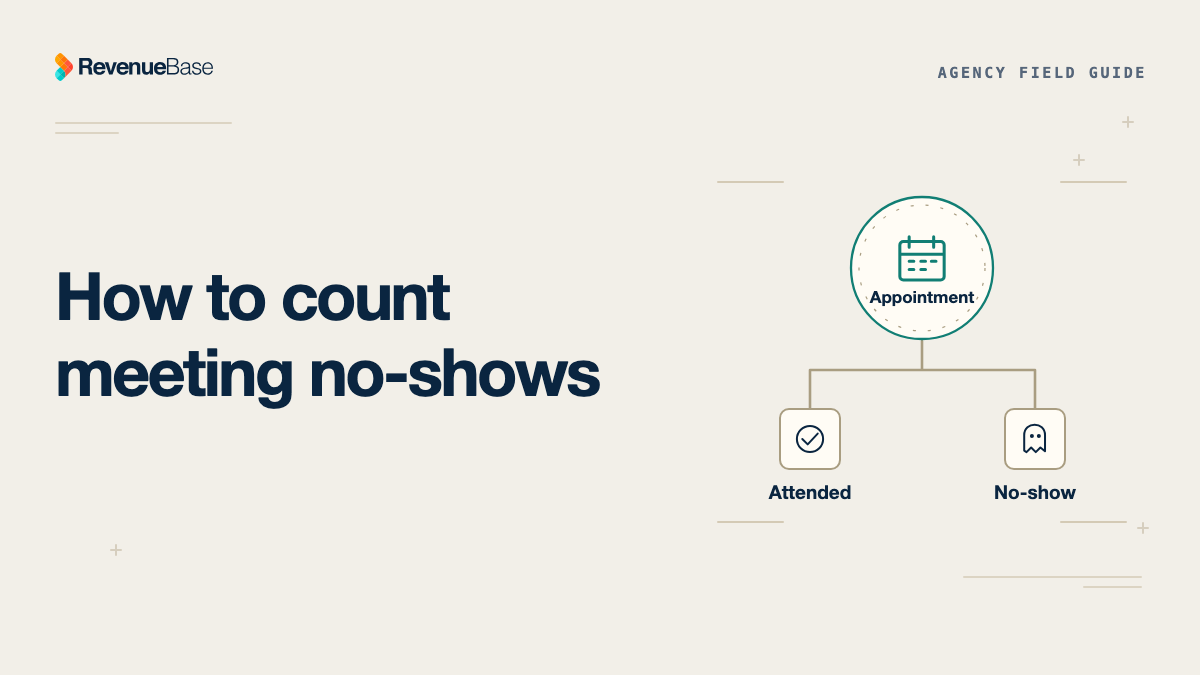
One prospect can produce three calendar events and one attended conversation. A billing rule should say which event the agency sold.
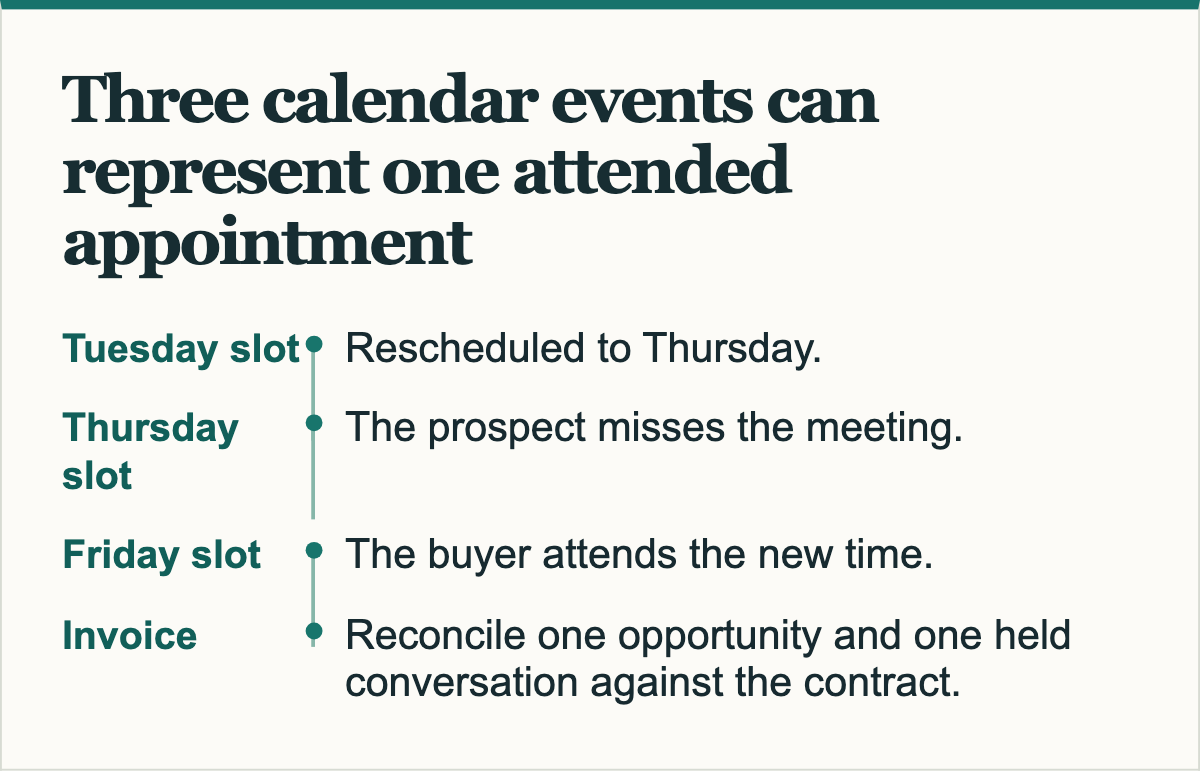
Tuesday’s meeting moves to Thursday. The prospect misses Thursday and joins on Friday. One sales opportunity has now created three calendar events, one no-show and one attended conversation. Unless the contract defines its unit, the agency and client may legitimately expect different invoices.
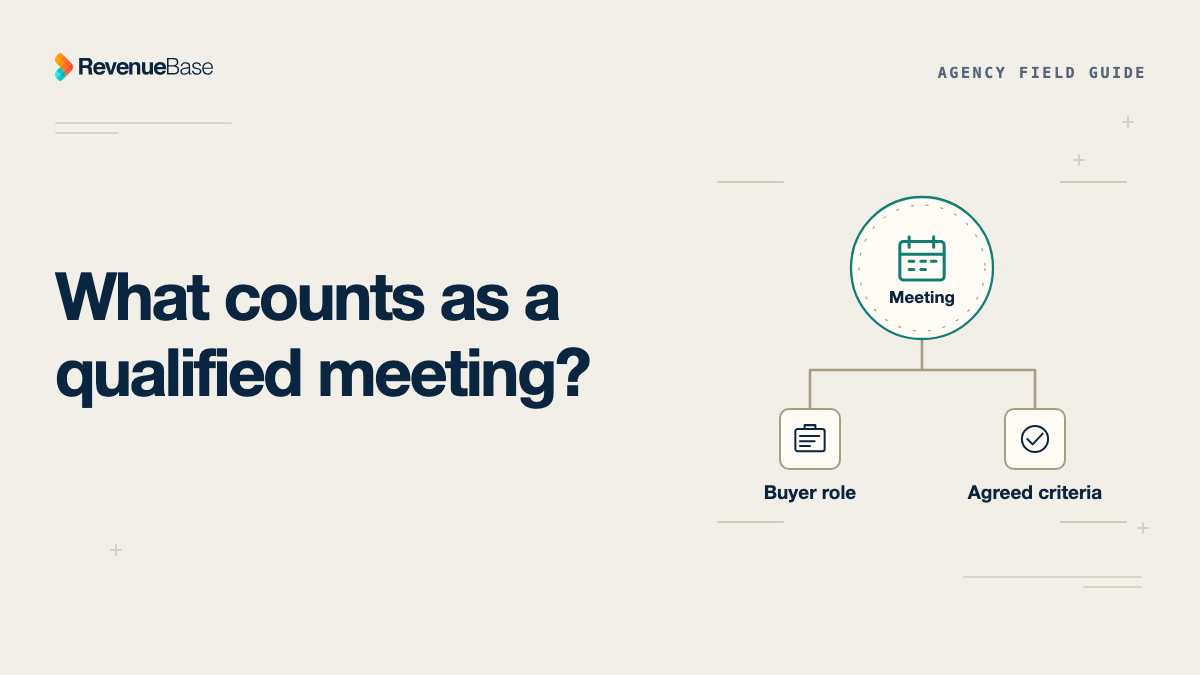
Decide first what earns the fee. Is it a booking that meets the signed qualification rule, a meeting actually held, or an attended conversation with a particular type of buyer? Then assign a policy to timely reschedules, late cancellations, prospect no-shows and a client rep who fails to join. The same empty calendar slot can have different causes.
Keep three independent records
Record the booking lineage, attendance outcome and qualification result, alongside the financial decision that follows from the agreement. If a qualified buyer misses the call, qualification can be true while attendance is false. A meeting can also take place with somebody outside the signed scope. Describe the evidence and dispute window for both.
HubSpot’s default activity properties distinguish canceled, completed, no-show and rescheduled outcomes. Connected scheduling tools may use their own fields. Verify what actually reaches the client’s CRM before using it to generate invoices.
Give the agency and client the Tuesday-to-Friday example and ask each to calculate a bill independently. Resolve the difference before the first real dispute. In the monthly report, show unique bookings, held meetings, accepted qualified meetings and credits. This gives the client a useful commercial answer without forcing finance to reverse-engineer three calendar invitations.


See the data behind the argument.
Every claim we make is backed by data you can verify yourself.